



Privacy Policy | Terms & Conditions | Refund Policy
Copyright PivotHolisticHealth.com © 2016. All rights reserved.
Web Development by Socialfuel, LLC | Chief Editor: Christina DeFrancesco
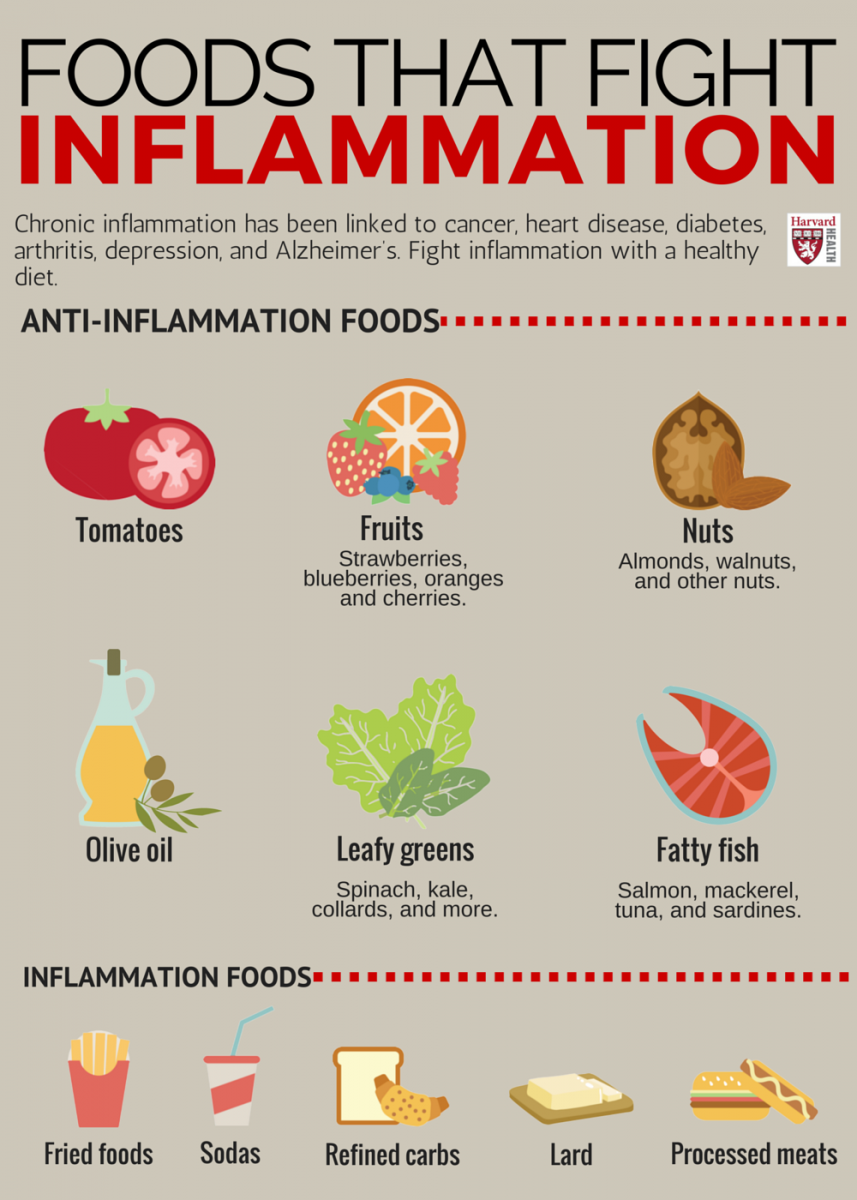
Chronic inflammation is turning out to be a key factor that exacerbates many of the most common medical conditions we currently face. Resent research has shown inflammation plays a role and often found to be a common denominator in diseases such as heart disease, diabetes, Alzheimers, stroke, cancer and arthritis. [1], [2] These are disorders that affect so many Americans it’s truly astounding that we are now figuring out chronic inflammation is a risk factor. Honestly, understanding the problem is the first step in fixing it so lets begin with a brief explanation of inflammation and it’s purposes in the body and what happens when the natural process becomes more harmful than beneficial.
Imagine you tear a ligament in your knee. Your knee will start to swell. This is called an immune response. The body calls for increased blood flow to the area (and increased permeability of blood vessels). The blood brings with is a little army of immune response cells. These cells do everything from carry away damaged cells that are beyond repair, they clean the area internally and also bring cells that destroy foreign material or bacteria. The increased blood flow also brings nutrients to help heal. The body is truly amazing!
Sometimes however, this immune response gets stuck in a loop and doesn’t cease as it should normally. The body often has this hyper-immune activity when we are stressed, not eating properly, and not sleeping properly. That sounds like every American! Obesity is also linked to an increased immune response because fat cells around the organs produce a substance called cytokines, which amp up immune response by continually signalling for immune activity. [3] Cytokines are also linked to insulin resistance, a key factor in type 2 diabetics. [4], [5], [6]
Well, this hyper-active, chronic immune response ends up being very damaging to body tissue. The body may attack it’s own tissues and destroy important structures. The blood vessels and intestines become more permeable, allowing for substances and compounds that wouldn’t normally get through the membrane into the blood stream. The body may see these strange compounds as foreign and attack them, this is called leaky gut. In the heart, inflammation attacks the deposits of cholesterol and might be the cause of a heart attack causing cholesterol deposit rupture and the clots that form after the rupture. [7] The same idea goes for stroke, if the cholesterol deposits attacked by immune cells are located in an artery and rupture that can cause a stroke. [7]
So, now we see how inflammation seemingly drives the pathways of many common diseases, how do we decrease systematic inflammation? No big surprise the food we eat can increase or decrease systematic inflammation.
The problem is Americans are eating 14 to 25 times more omega 6 than omega 3. [8] If omega 6 intake is higher than omega 3 intake inflammation is promoted. Omega 6 is found in palm oil, safflower oil, grapeseed oil, peanut oil, sunflower linoleic oil, corn oil, peanut oil, salad dressing, mayonnaise, soybean oil, sunflower and soybean margarine, shortening including the kind used for frying, among others. [9] These are common ingredients found in sugary, fried, processed, fast food, restaurant food, and simple carbohydrates. All good foods to avoid if you are trying to reduce inflammation. Olive oil is thought to be a good substitute for these dangerous vegetable oils.
Omega 3 is shown to help with decreasing arthritis pain, heart health, lowers triglycerides, slows Alzheimer’s progression, and reduces risk of developing diabetes. [10] Foods high in omega 3 are flax seed and flax seed oil, chia seed, salmon oil, sardine oil, cod oil and herring oil. [11]
As it turns out there are lots of other foods you can avoid and foods you can eat to help reduce inflammation.
Coming soon: check the eating for health resources page for a compilation of these inflammation reducing foods.
Reducing systematic inflammation can help us slow down disease processes! That is exciting news! Never feel like you can’t take control over your health. Food can change your life and I’m going to give you even more tools so you can take the helm and learn how to eat for health!